+91 92583 18577
Tiger's Nest, mighty dzongs & prayer-flag passes — the world's happiest kingdom, expertly planned.
Permits, hotels, sightseeing & guide included — customizable to your dates & budget.
"The Tiger's Nest hike was the highlight of our lives. Permits, hotels and guide were perfectly arranged."

"Punakha Dzong and Dochula Pass were stunning. Smooth, comfortable and very well paced for our family."

"Transparent pricing including the SDF, great hotels and a wonderful Bhutanese guide. Highly recommend!"

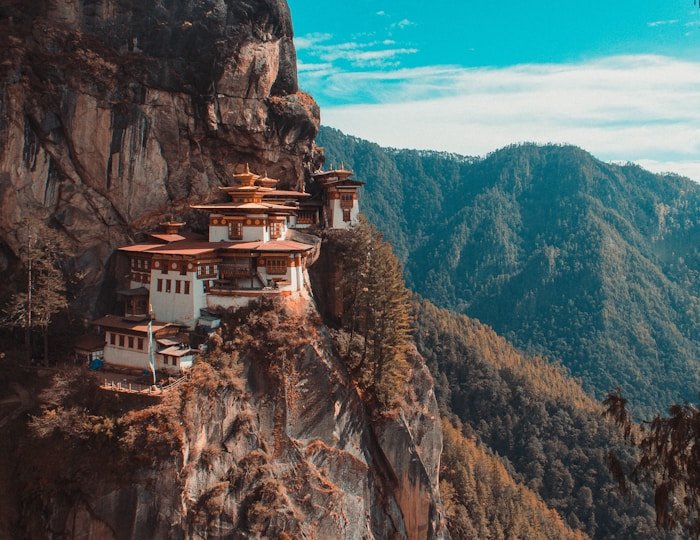
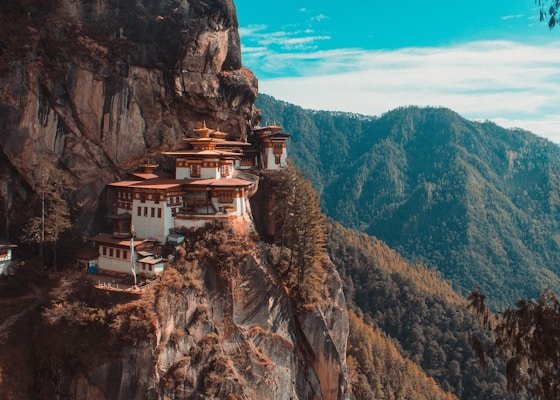
The cliff-hanging monastery hike above Paro
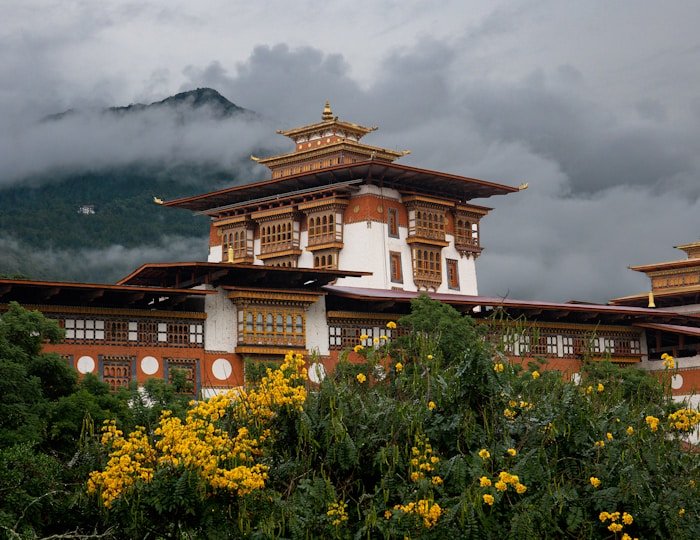
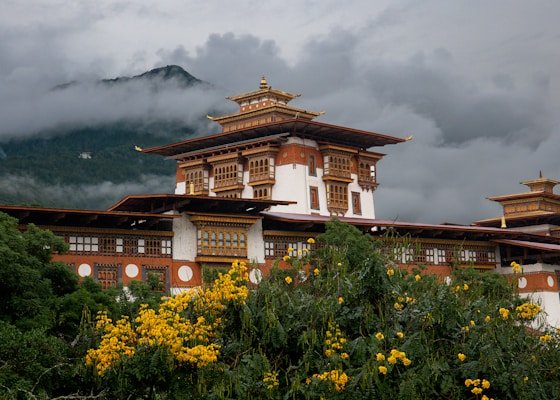
Bhutan's most beautiful river-confluence fortress
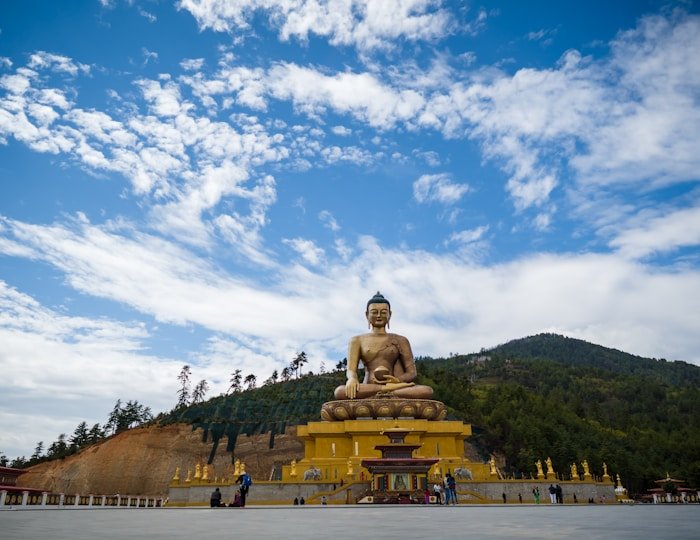
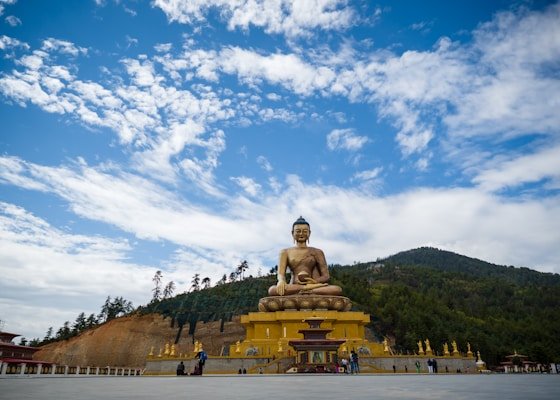
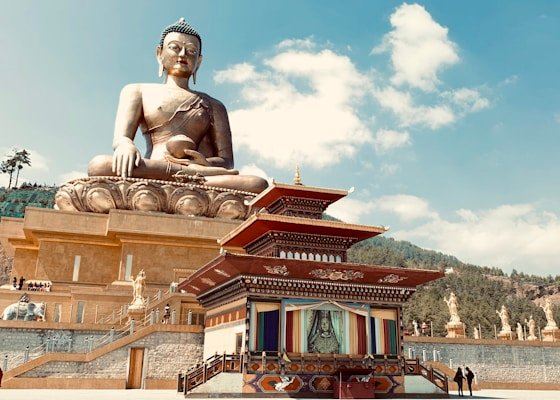
A 51-metre golden Buddha above Thimphu
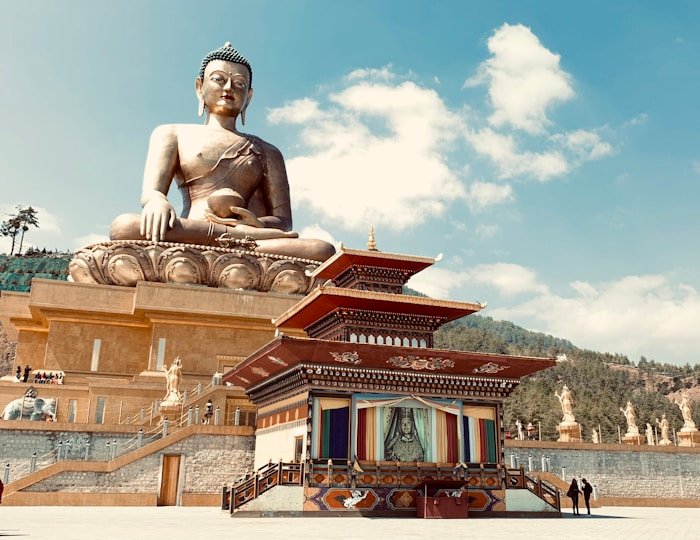
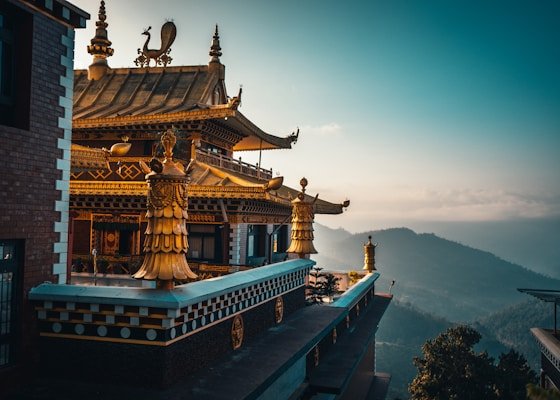
108 chortens & sweeping Himalayan views
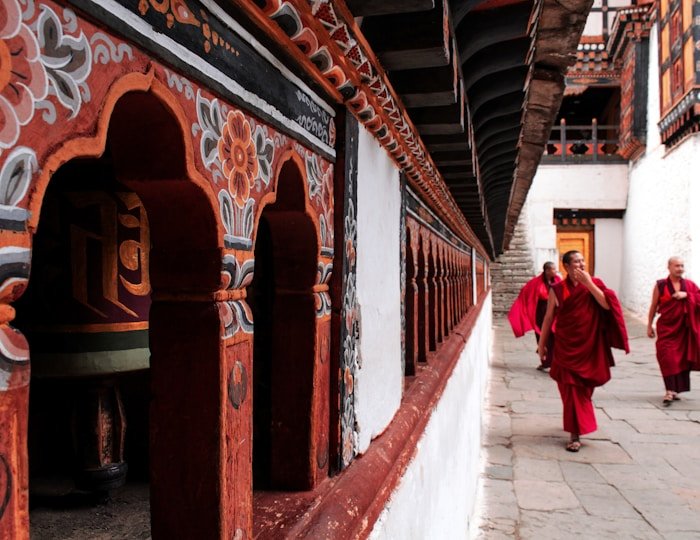
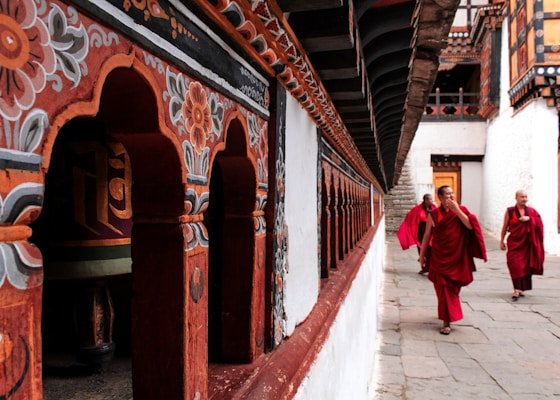
Masked dances & living Buddhist culture
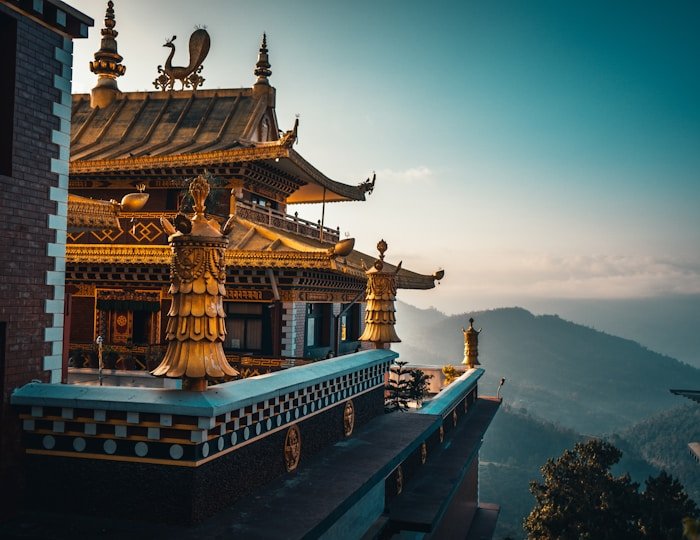
Glacial valley & black-necked cranes
Tell us your travel dates, group size, budget and the places you want to see.
We design your route, arrange permits & hotels and share a clear, all-inclusive price.
Enjoy a guided trip with comfortable transfers and 24×7 on-trip support.
Tucked into the eastern Himalayas between India and Tibet, Bhutan is a kingdom that chose happiness over haste. It opened to tourism only in 1974 and still keeps crowds deliberately small, so what you find is wonderfully unspoilt — fluttering prayer flags, cliff-clinging monasteries, terraced rice valleys and some of the cleanest air on earth. For Indian travellers it is uniquely easy to reach yet feels like a different world. Here is why it belongs at the very top of your travel list.
Over 70% forested by law — glacier-fed rivers, rare wildlife and famously clean Himalayan air. Travelling here is genuinely low-impact and responsible.
Bhutan measures success by happiness, not money. The result is a calm, courteous and remarkably safe culture where tradition is lived, not staged.
Every valley is crowned by a dzong — a soaring fortress-monastery alive with red-robed monks, masked tsechu festivals and centuries-old Buddhist art.
Prayer-flag passes, 360° snow peaks and the legendary cliffside hike to the Tiger’s Nest — in Bhutan, every single day feels like a discovery.
Everything you need to plan a smooth, stress-free Bhutan trip — the best seasons, how the permit and Sustainable Development Fee work, the ways to reach Paro, how you’ll travel between valleys, money and connectivity tips, and exactly what to pack. Read it once and you’ll arrive knowing what to expect; our team handles all the paperwork and logistics for you.
Spring (March–May) and autumn (September–November) are the prime seasons — clear blue skies, pleasant 15–25°C days, blooming rhododendrons or golden harvest valleys, and the vibrant tsechu festivals. Winter (Dec–Feb) is cold but rewards you with the sharpest Himalayan views and far fewer travellers. The summer monsoon (Jun–Aug) turns the country lush and green but brings rain and the occasional flight delay into Paro.
Indian nationals do not need a visa — only an entry permit, which we arrange for you in advance. You also pay Bhutan’s Sustainable Development Fee (SDF) of ₹1,200 per person per night, which funds the country’s free healthcare, education and conservation. Carry a passport valid for 6 months or a Voter ID card; children need a passport or birth certificate. Permits are checked at Paro and again at each district you enter.
By air, fly direct to Paro International Airport on Druk Air or Bhutan Airlines from Delhi, Kolkata, Bagdogra or Guwahati — one of the world’s most scenic (and skilfully flown) landings. By road, the popular overland route begins at Bagdogra Airport / NJP railway station, a 4–5 hour drive to the border town of Phuentsholing, where permits are processed before you continue up to Thimphu and Paro.
Bhutan is explored by private vehicle with a licensed driver and guide — there are no domestic trains, and mountain roads wind slowly, so distances that look short on a map take real time. Expect relaxed 3–6 hour scenic drives between Thimphu, Punakha and Paro, with plenty of photo stops at passes and viewpoints. Roads are well maintained but curvy, so carry motion-sickness tablets if you are prone to it.
The local currency is the Ngultrum (BTN), pegged 1:1 to the Indian Rupee, and Indian notes are widely accepted — so you rarely need to exchange. Cards work in larger hotels and shops, but carry cash for markets and rural stops. Local SIMs (B-Mobile / TashiCell) and hotel Wi-Fi keep you connected in towns; Indian roaming works in the main valleys but can be patchy high in the mountains.
Layers are key — a warm fleece and windproof jacket for passes and chilly evenings, light cottons for sunny valley afternoons, and sturdy, broken-in shoes for the Tiger’s Nest climb. Add a hat, sunglasses and high-SPF sunscreen (the Himalayan sun is fierce), a refillable water bottle, any personal medicines, and modest clothing that covers shoulders and knees for visiting dzongs and temples.
Get a free, no-obligation quote & a custom itinerary from our Bhutan experts.